CanOA is operated by the Marine Chemistry group (QUIMA) of the Institute of Oceanography and Global Change at the Universidad de Las Palmas de Gran Canaria (IOCAG-ULPGC). It uses instrumented commercial vessels as voluntary observing ships (VOS). Its historical observations span the subtropical Northeast Atlantic, the Strait of Gibraltar and the western Mediterranean.
The observation programme measures the partial pressure of CO₂ (pCO₂) in surface seawater, together with temperature, salinity and dissolved oxygen. Ship-based sampling provides observations along vessel transects. Air–sea CO₂ fluxes are derived from the observations and appropriate exchange calculations; they are distinct from directly measured pCO₂.
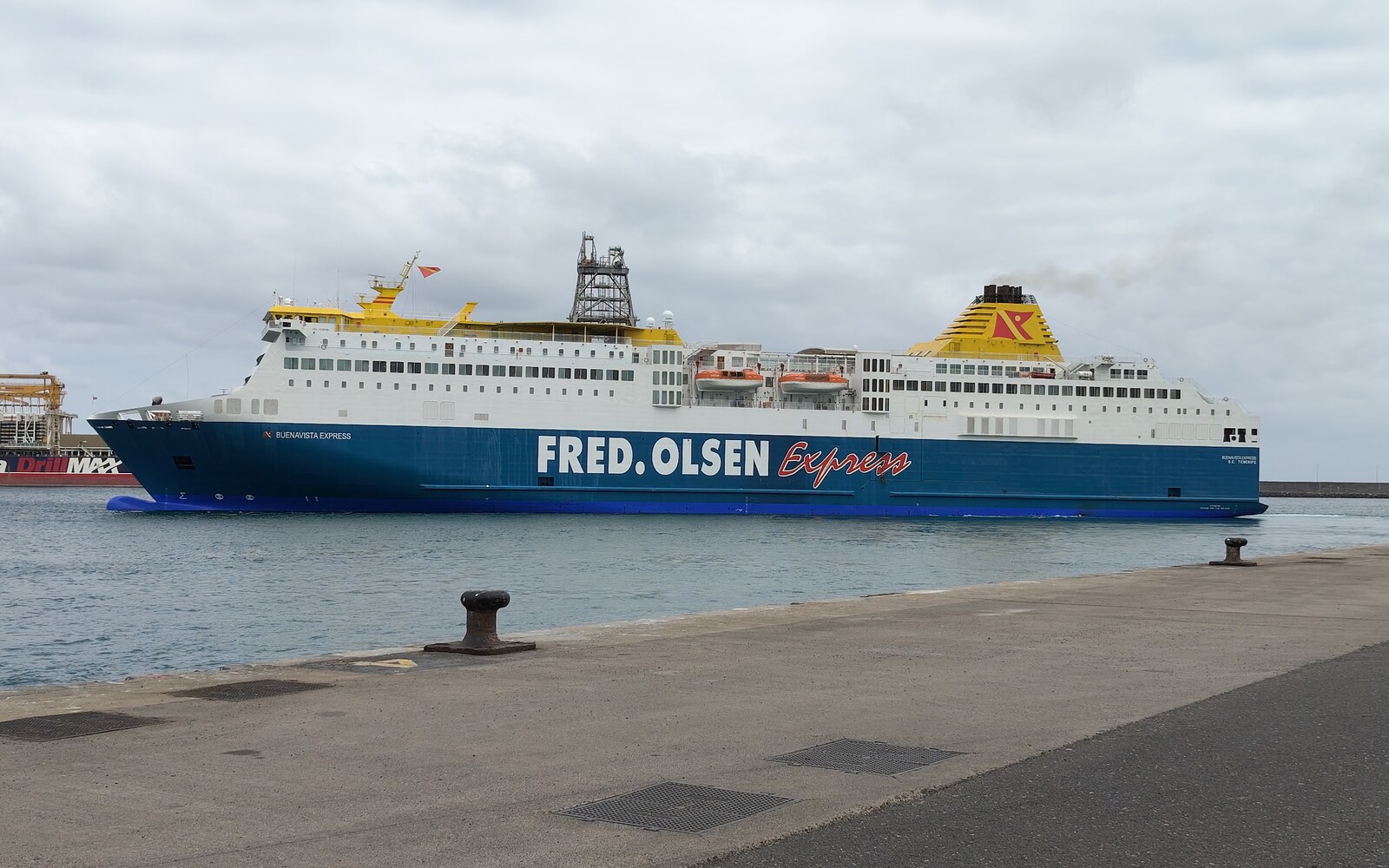
CanOA joined ICOS in 2021 and completed labelling on 15 November 2023. It is a Class 1 ocean station. Following changes in its ship-based deployment, the instrumentation has been installed on a vessel operated by Fred. Olsen.
The station supports studies of marine carbon variability, ocean acidification and air–sea CO₂ exchange. Repeated ship-based observations complement the long-term fixed-point perspective of ESTOC. The station page links to its ICOS metadata and to the ICOS-Spain data view.